Sixteen Objects
What can an object reveal about what a place has lost?
Context
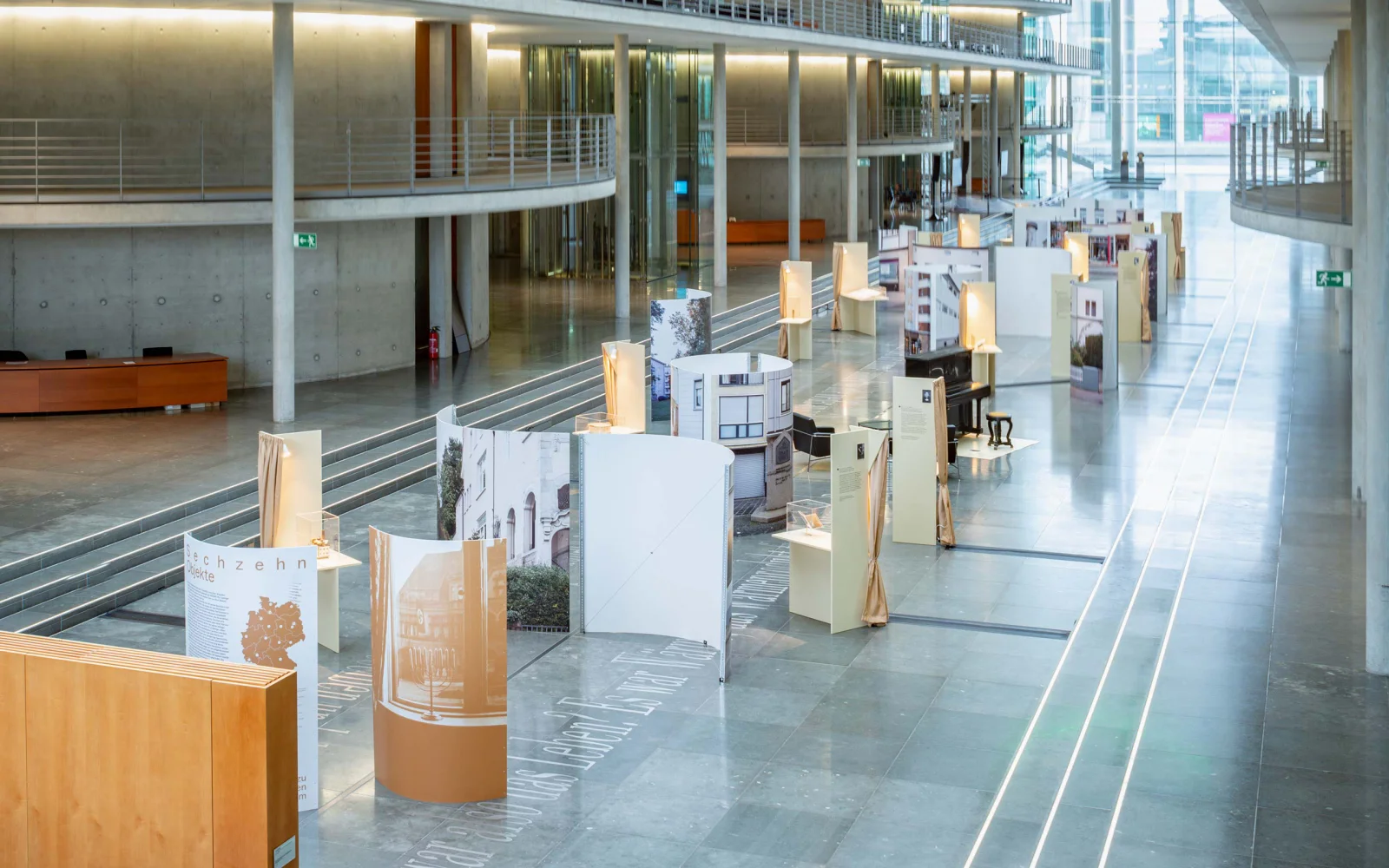
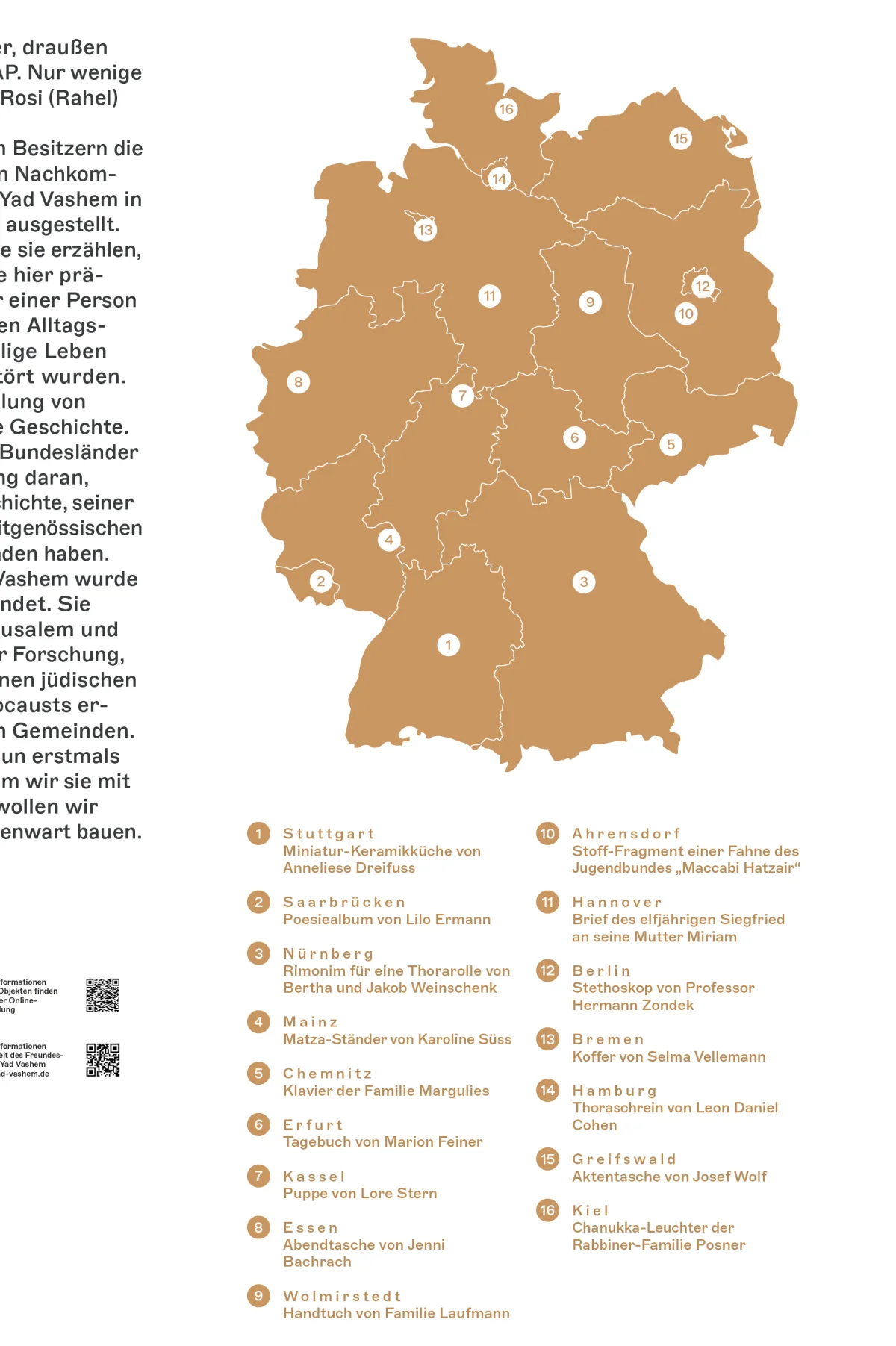
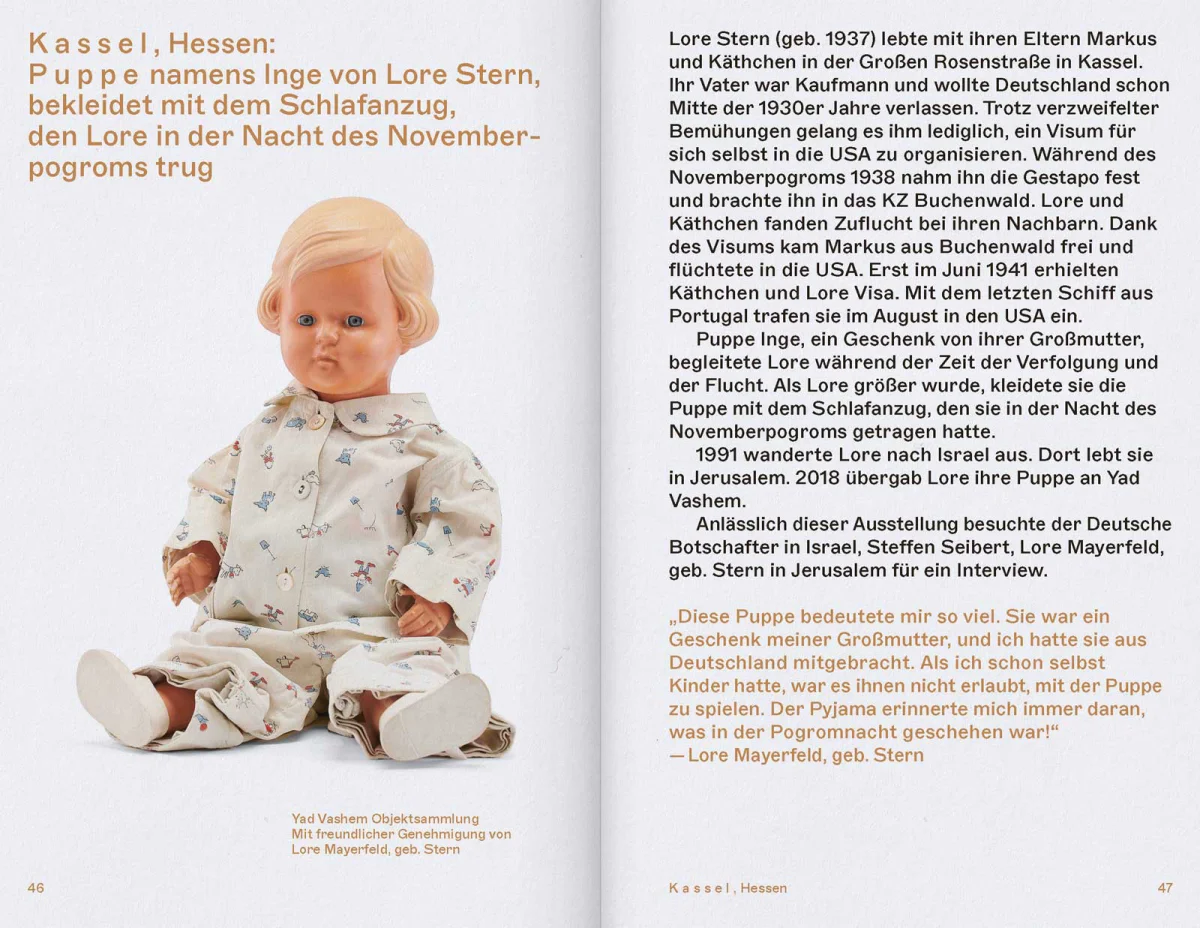
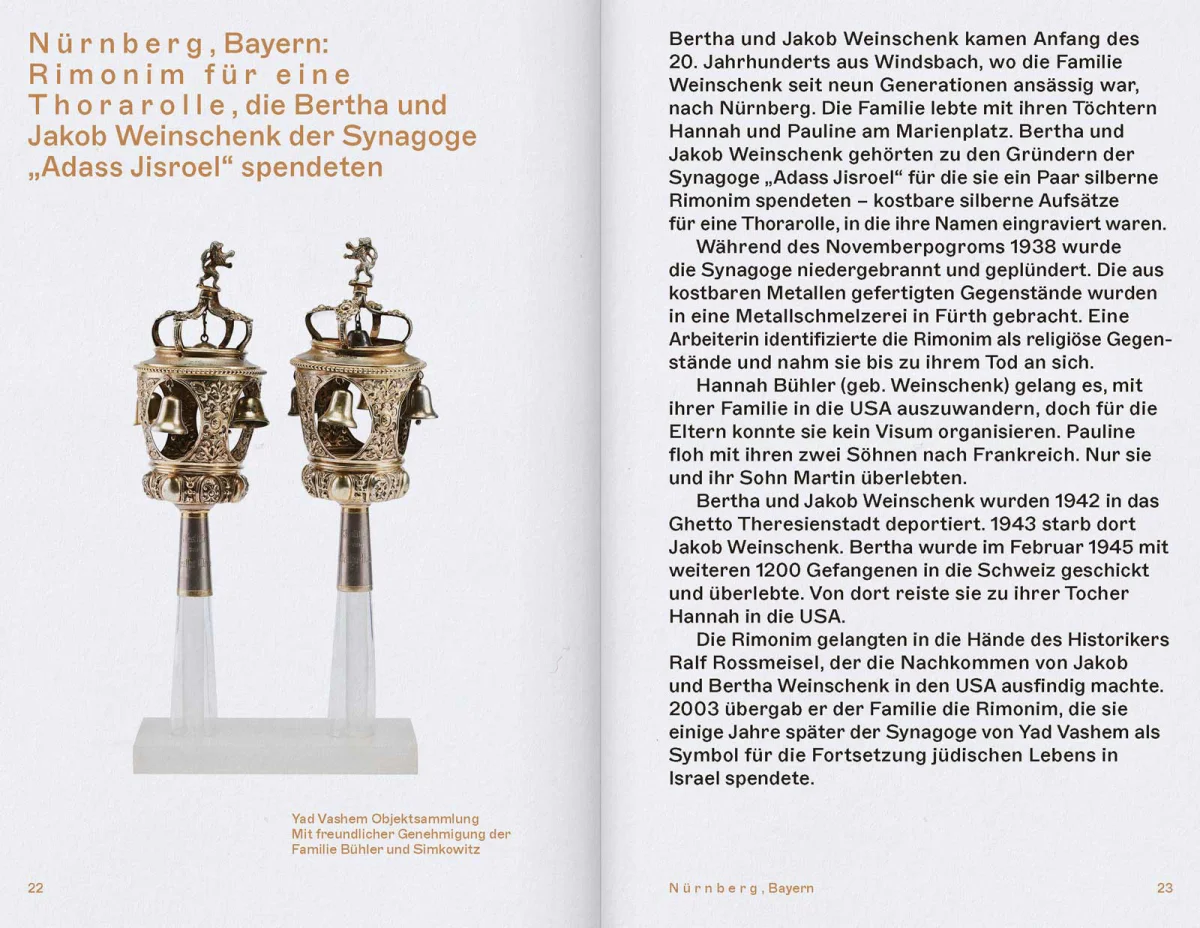
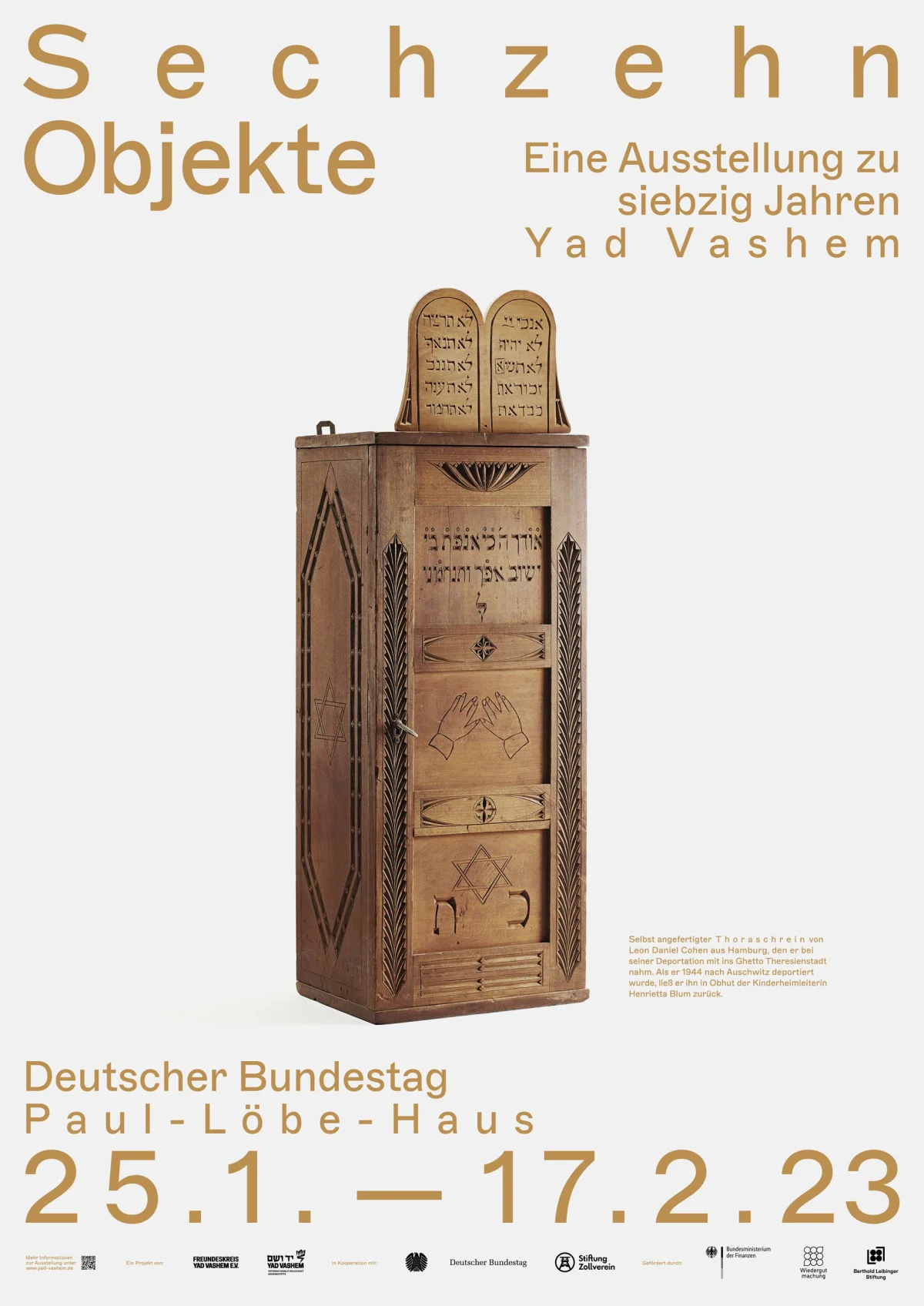
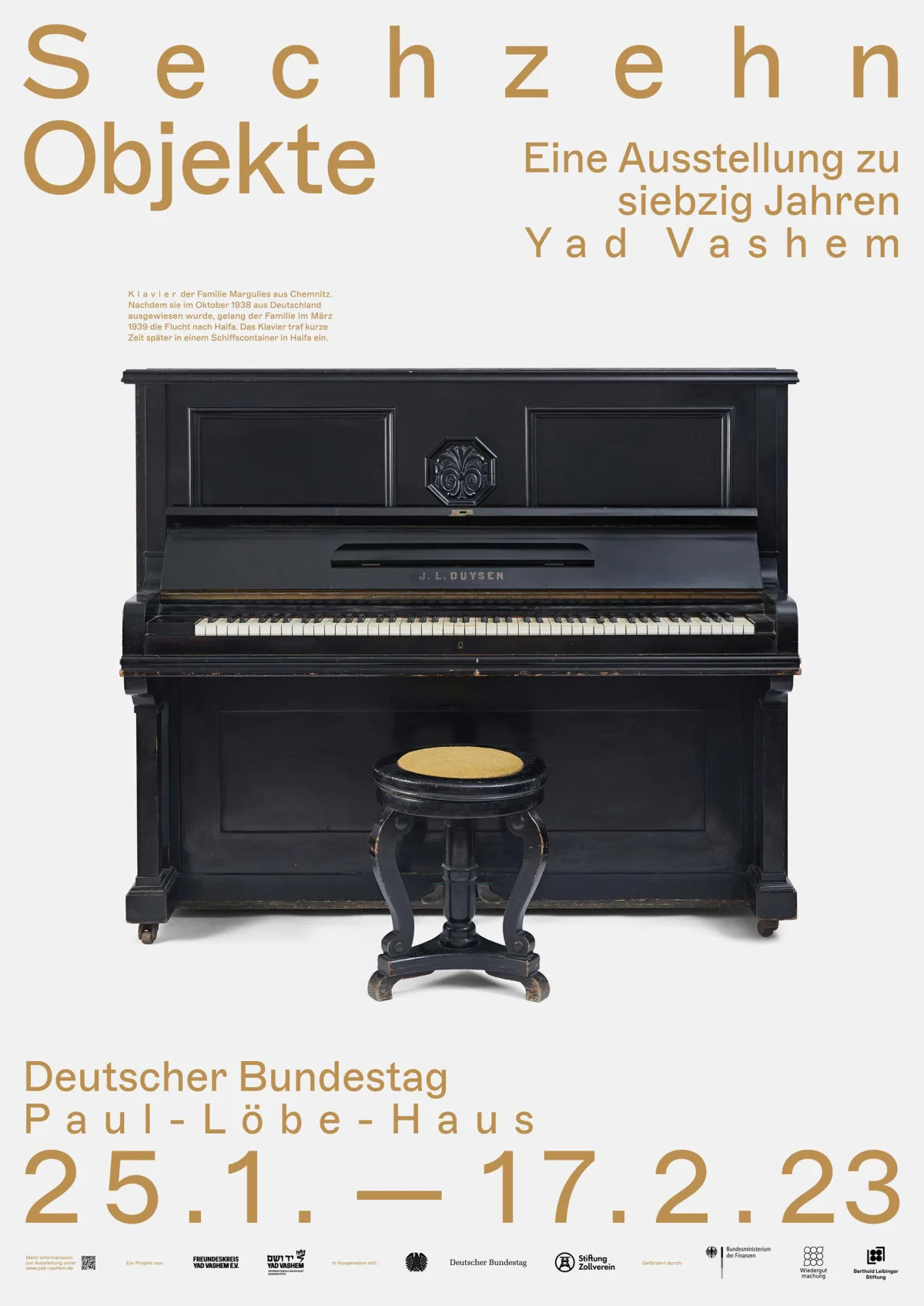
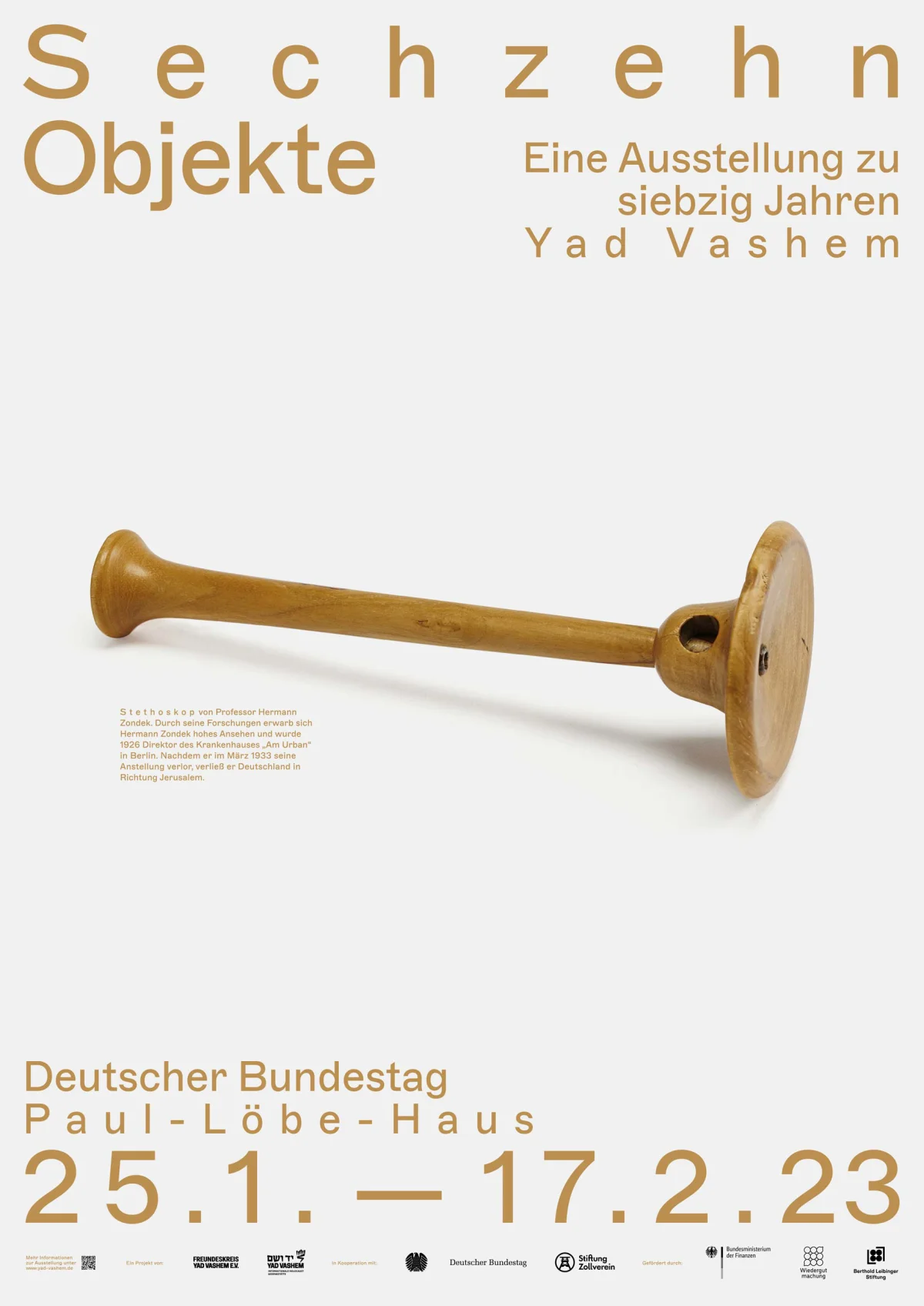
For the first time in Yad Vashem’s seventy-year history, objects from its collection returned to Germany. Sixteen personal belongings, each connected to a place in one of today’s sixteen federal states, tell the stories of Jewish people who once lived there and of the lives and communities destroyed by the Holocaust.
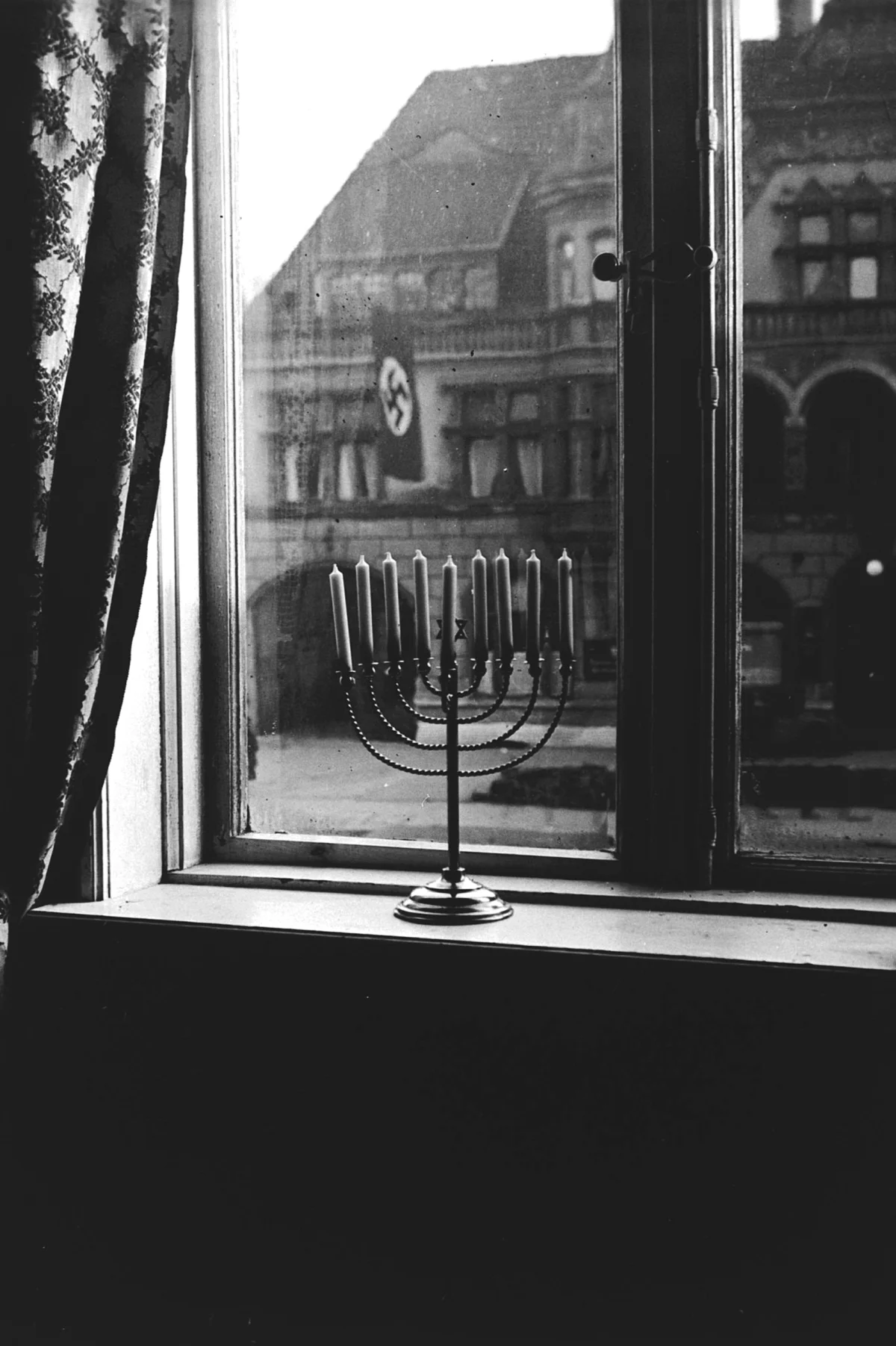
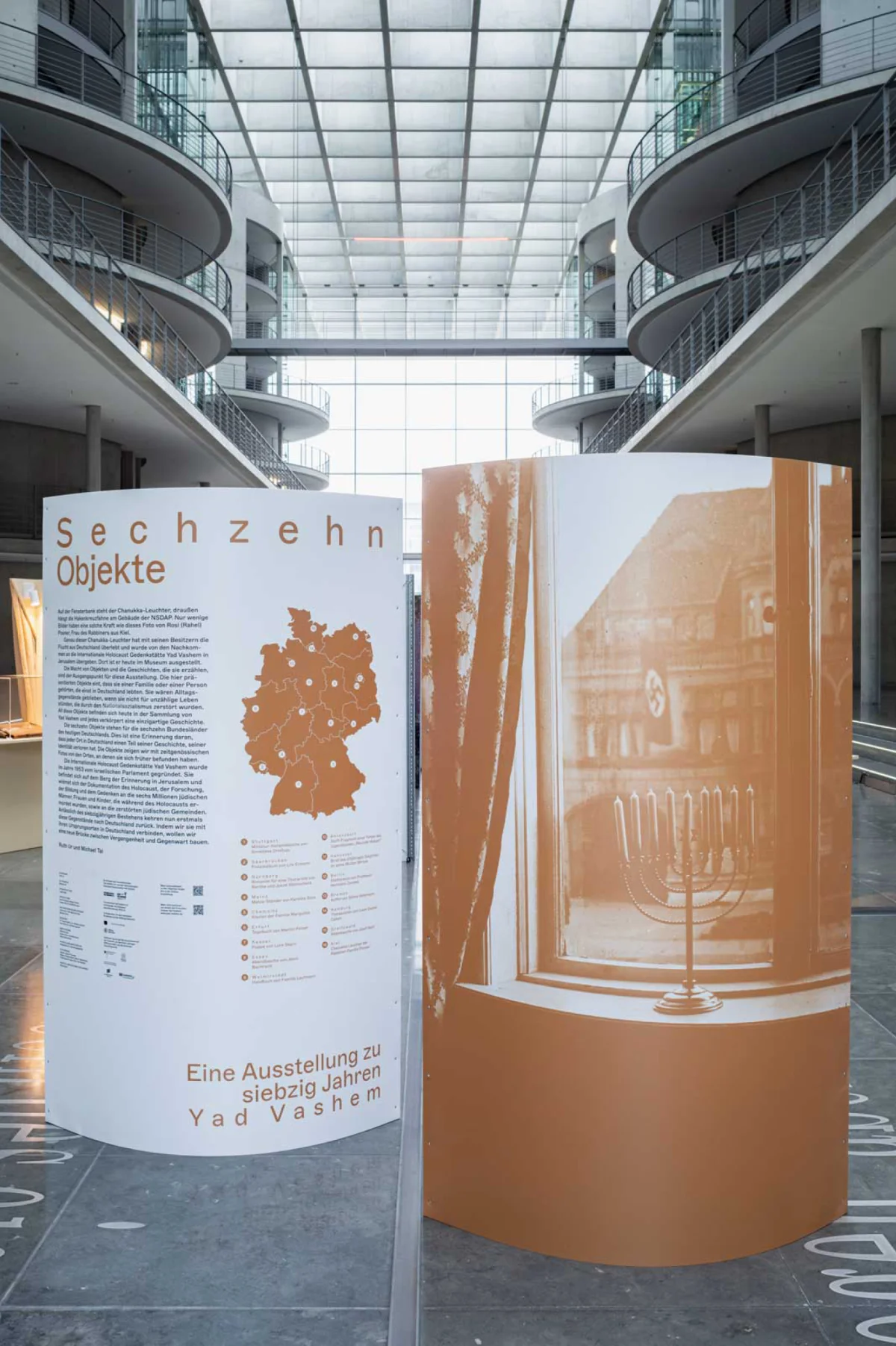
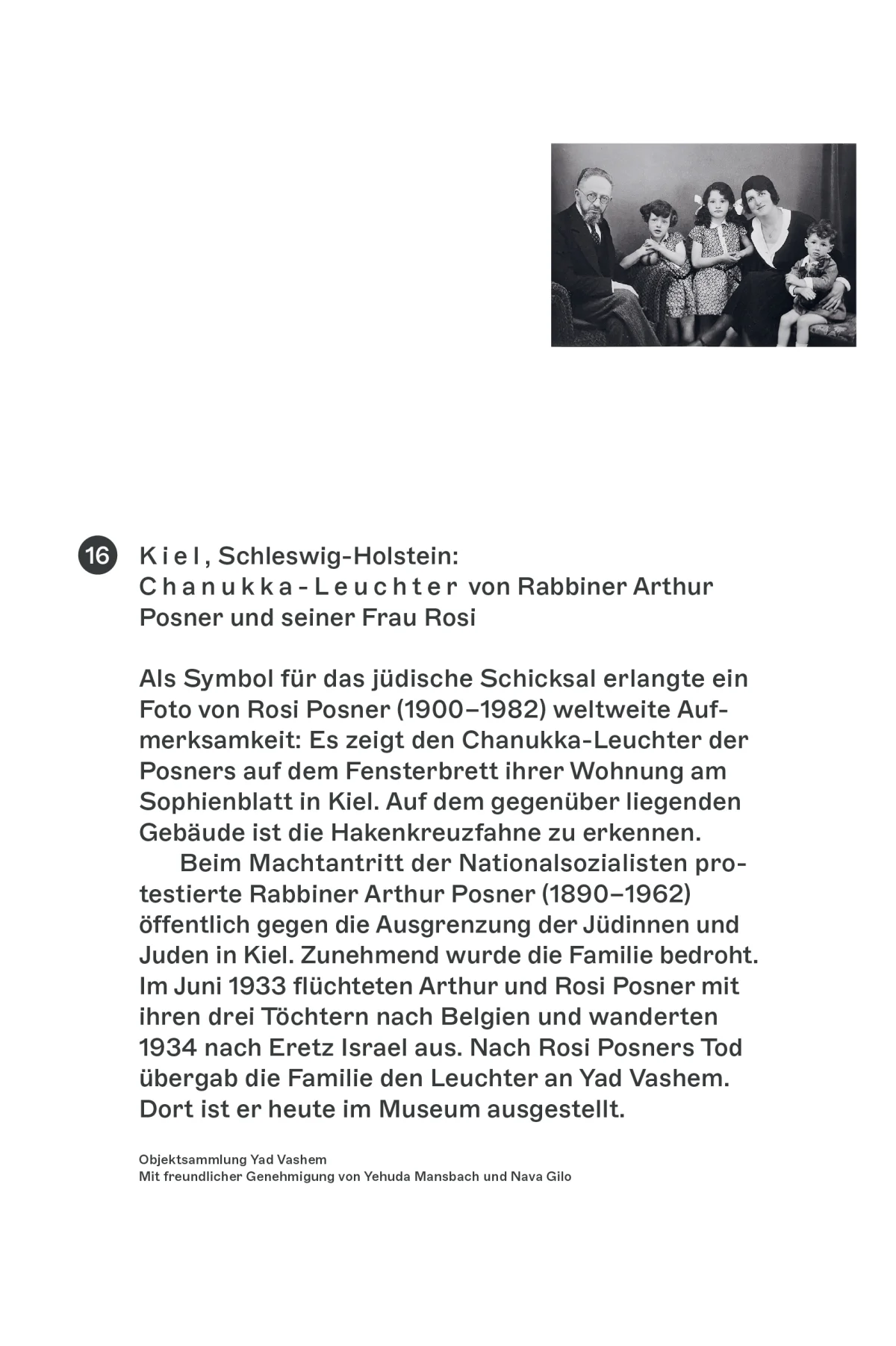
A starting point for the exhibition was a photograph taken in Kiel in 1931. It shows a Hanukkah menorah in the window of a Jewish family’s home, with a Nazi flag visible on the building opposite. A personal object and its historical surroundings appear within the same image, foreground and background telling different but inseparable parts of the story.
How can this relationship between an object and the place it comes from become a design principle for an exhibition?
Approach
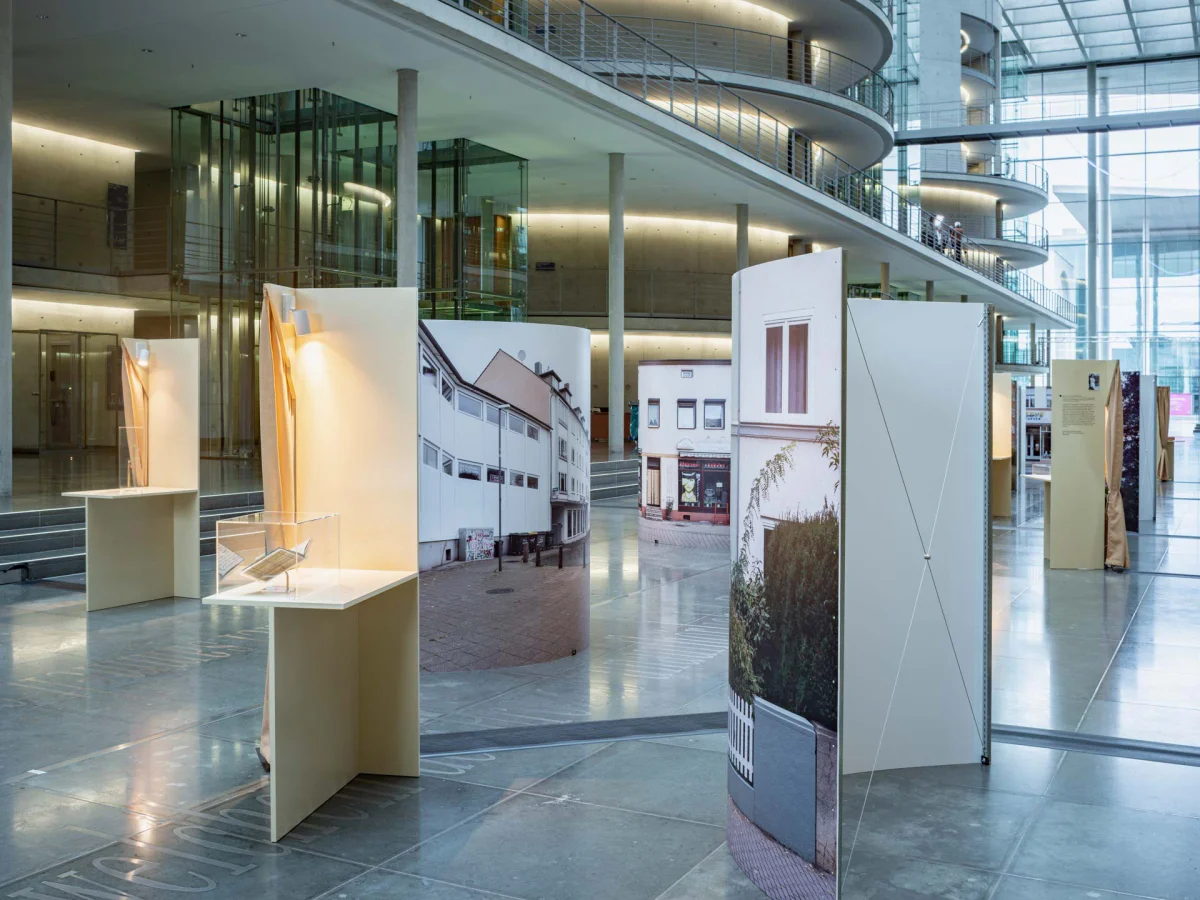
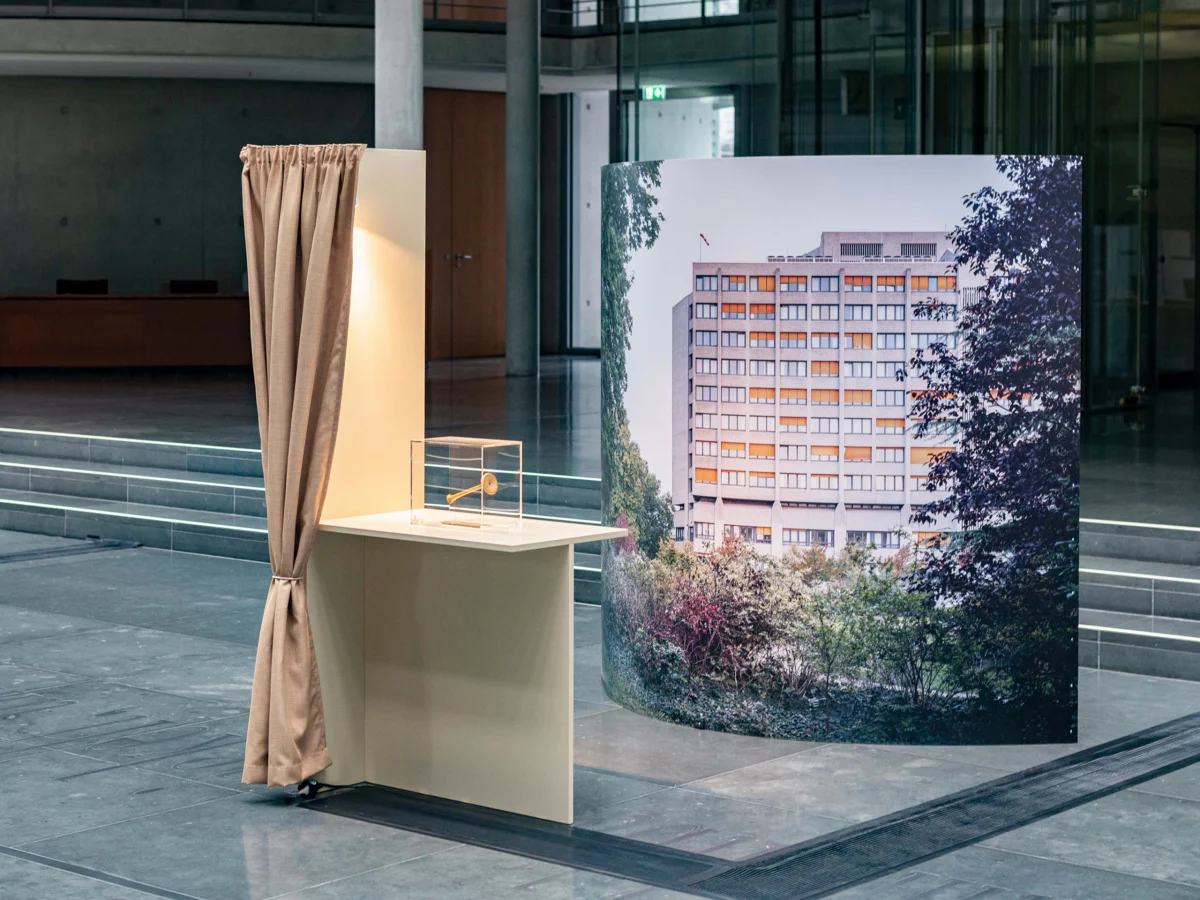
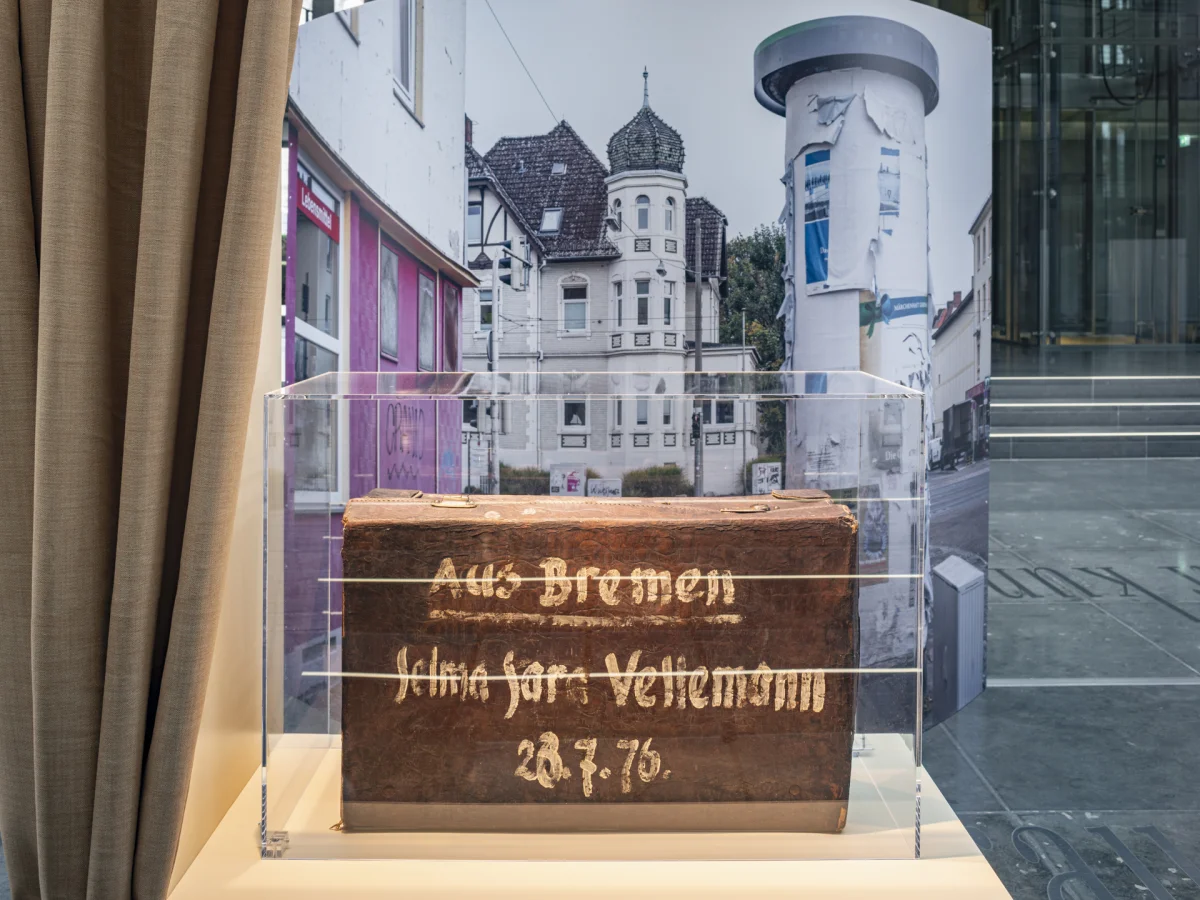
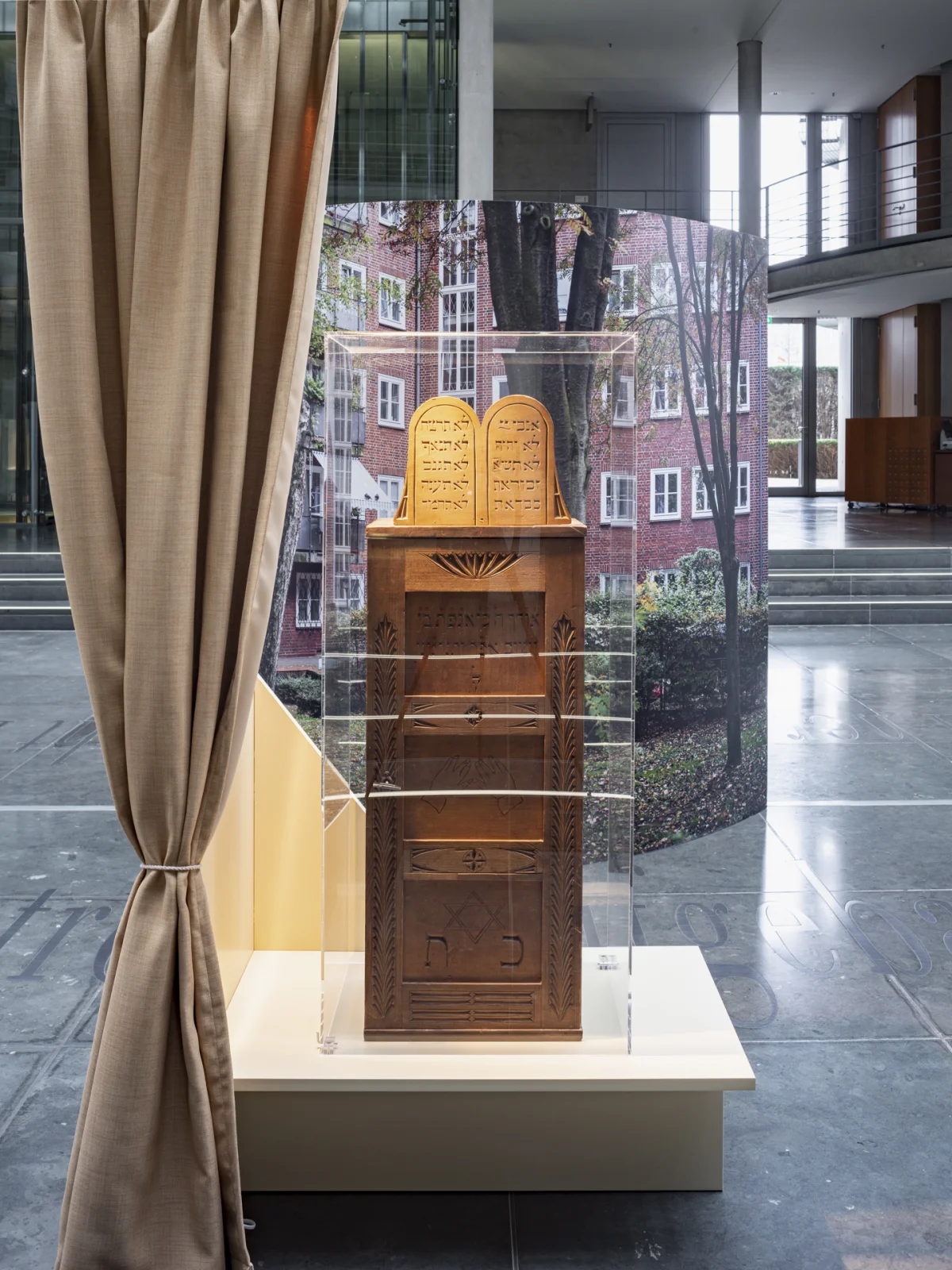
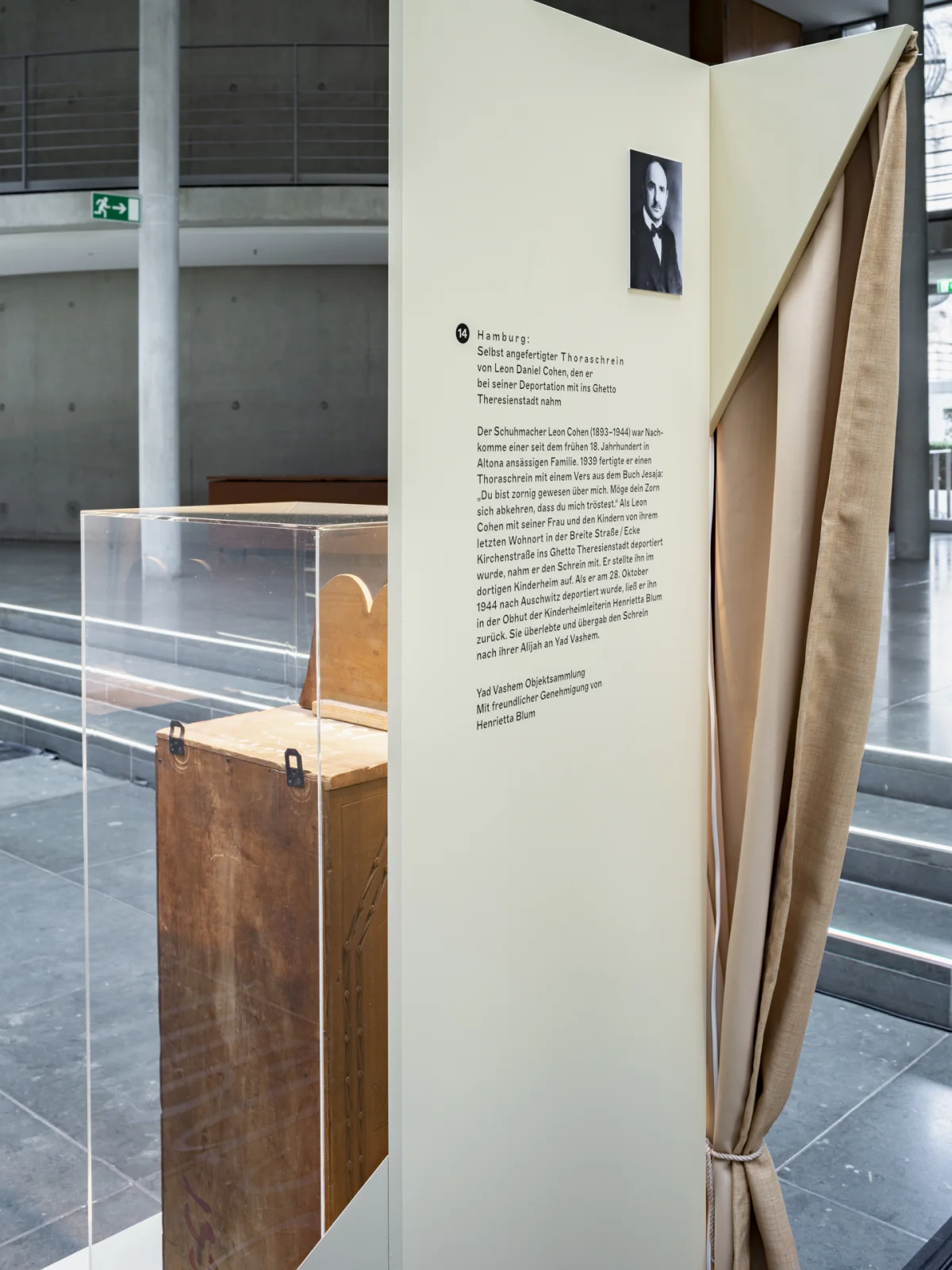
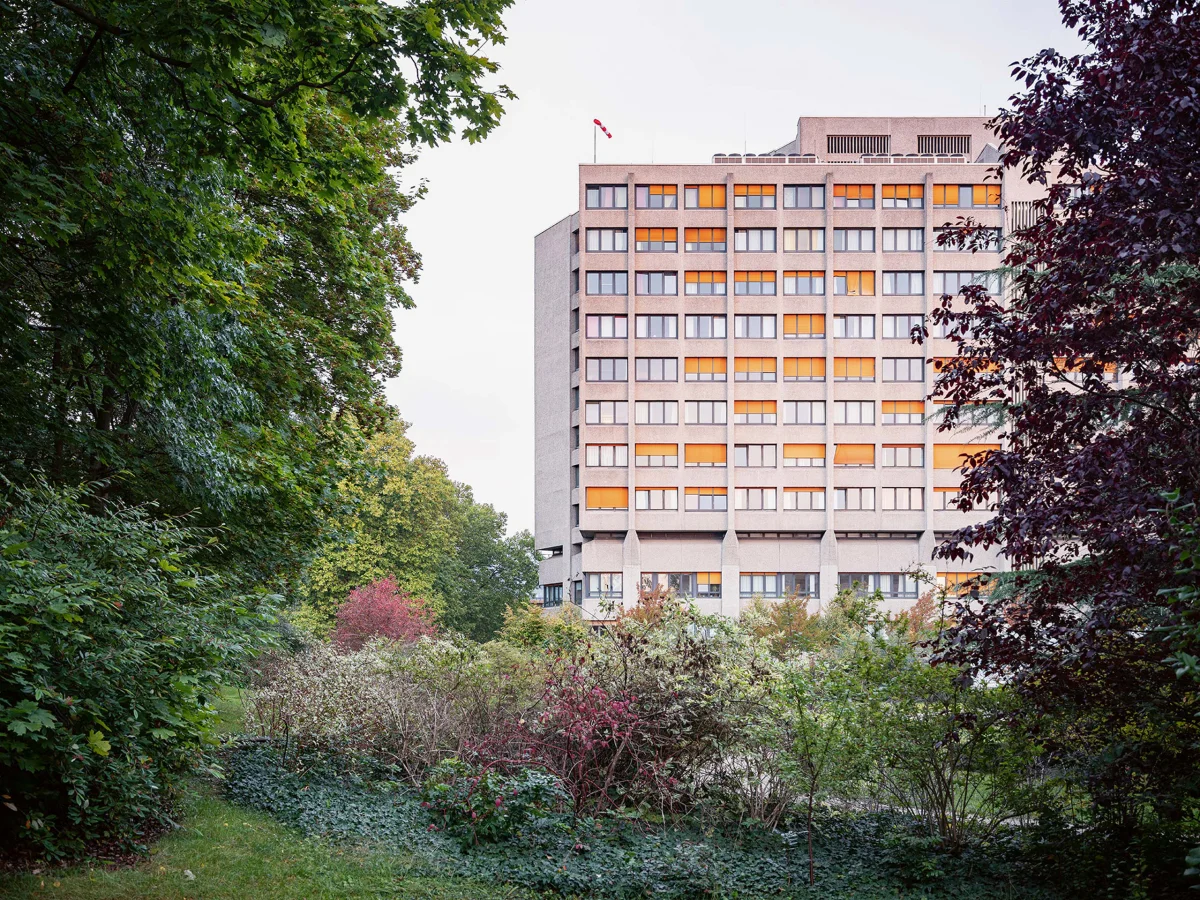
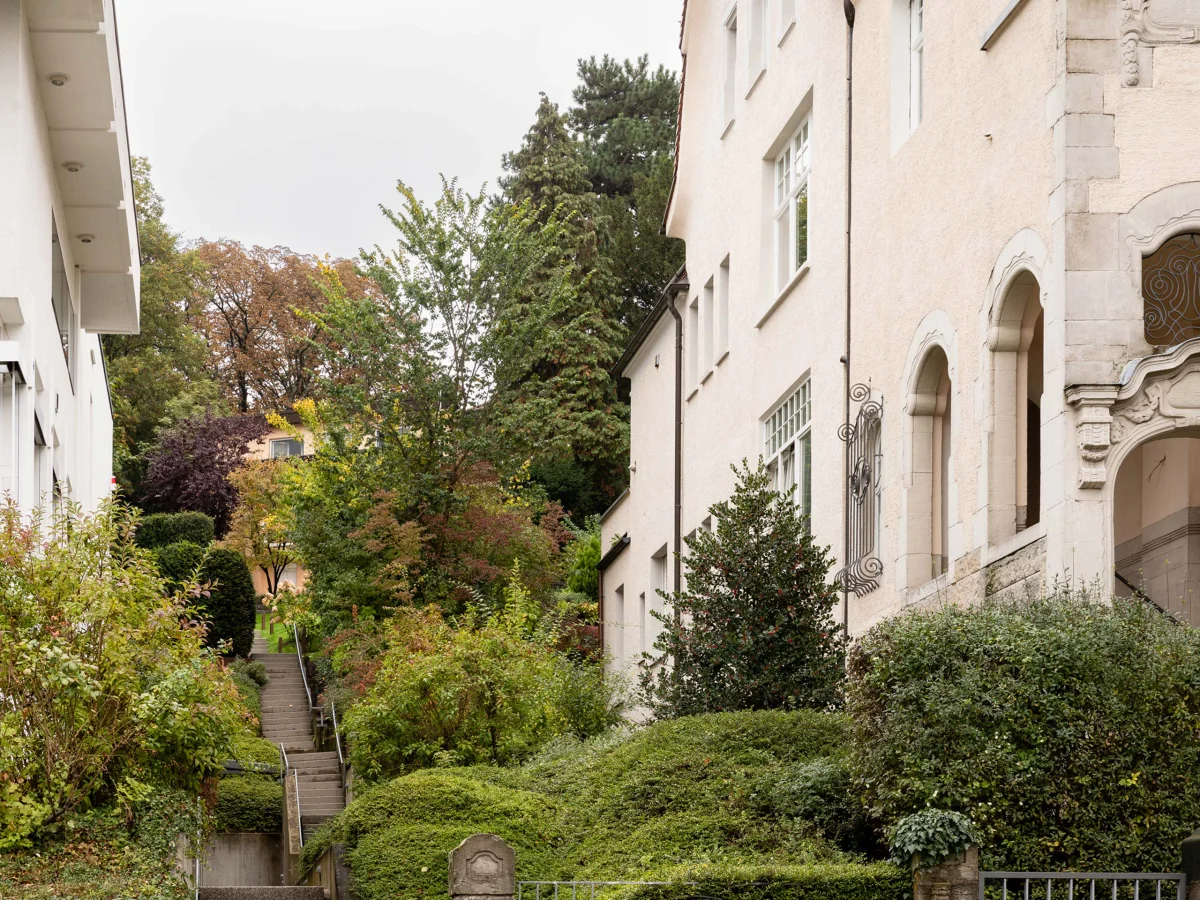
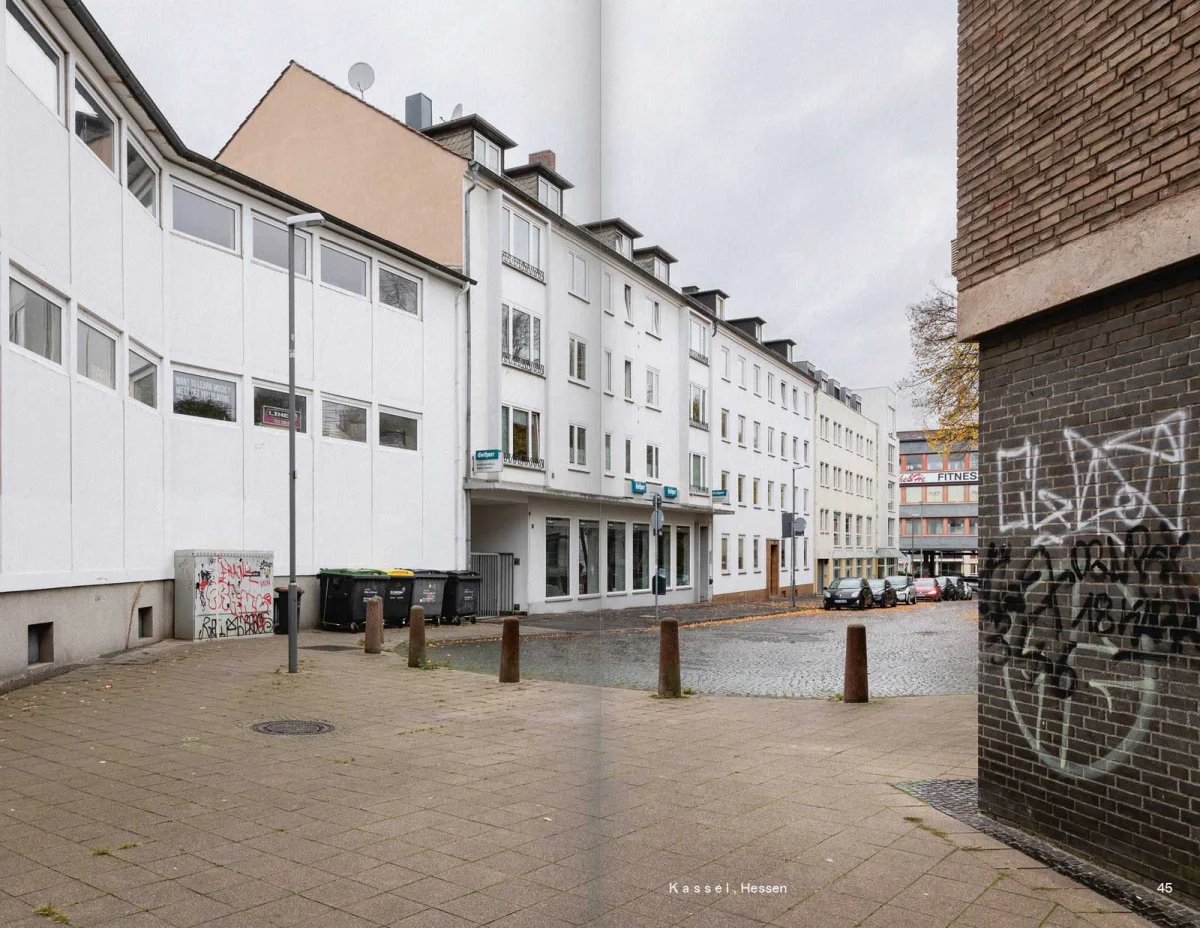
To reconnect the sixteen objects with the places they came from, two photographers travelled across Germany to places significant to the lives of the people to whom the objects had belonged. At each of these sixteen locations, they made a new photograph of the place as it exists today.
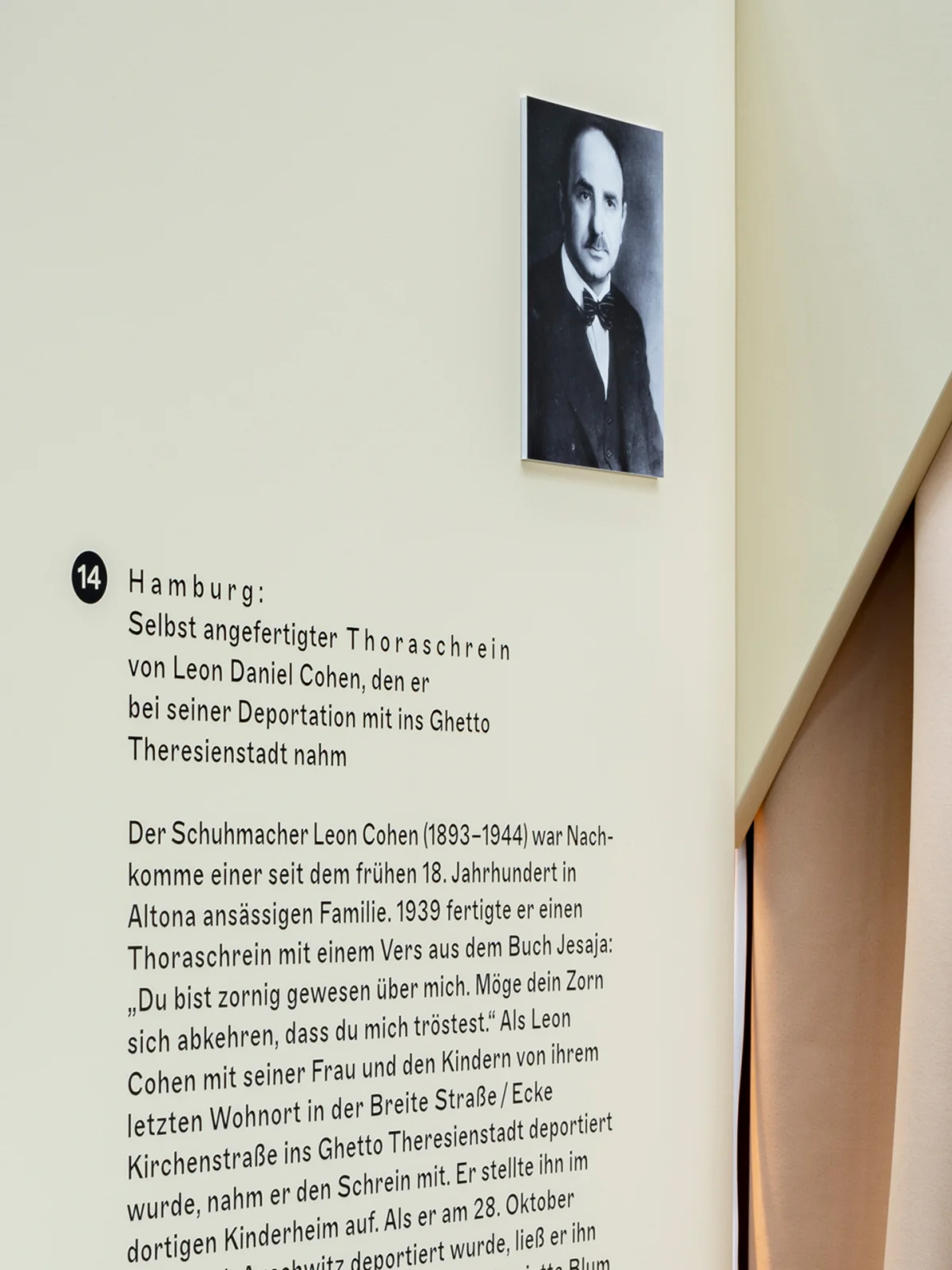
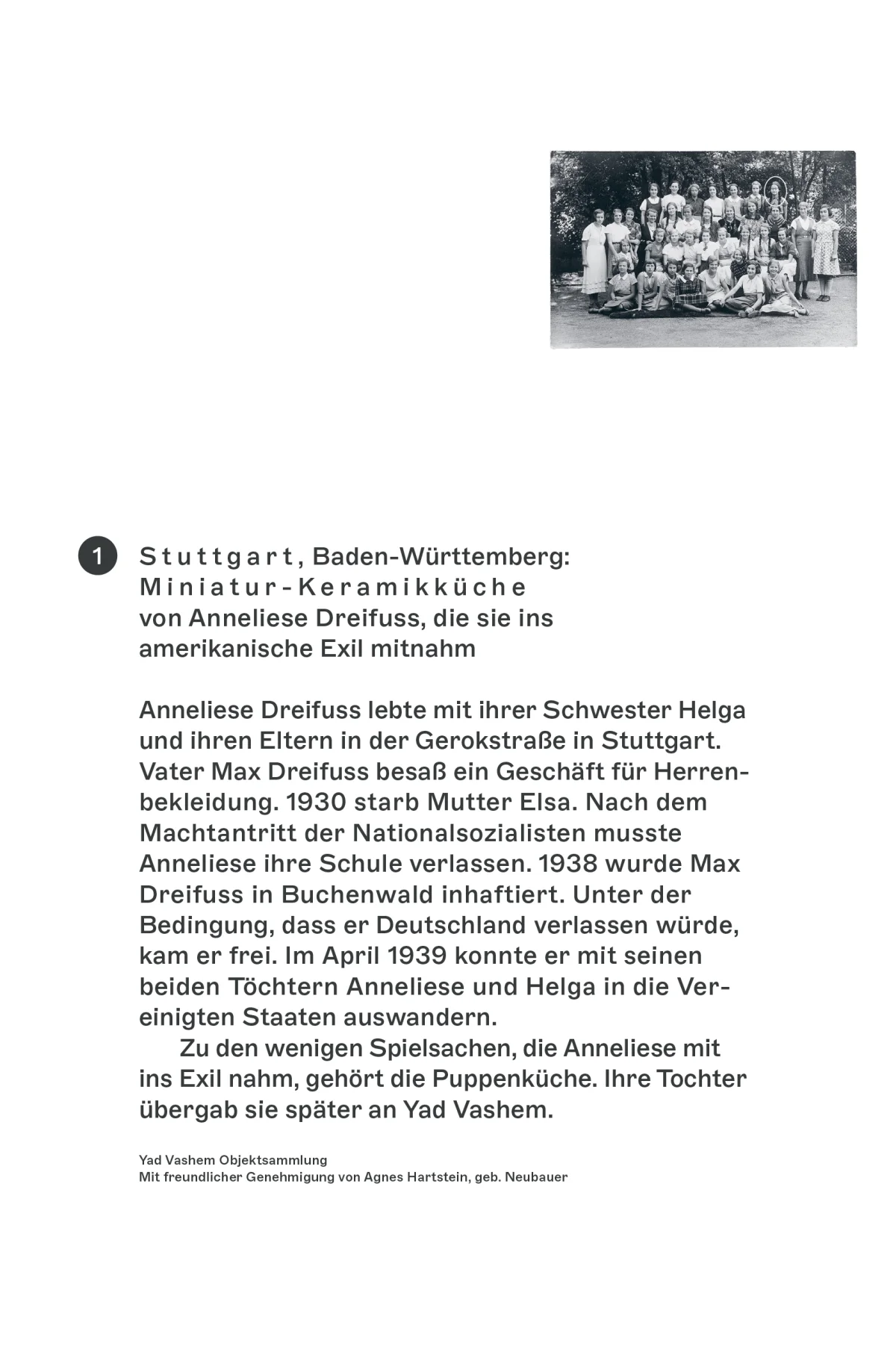
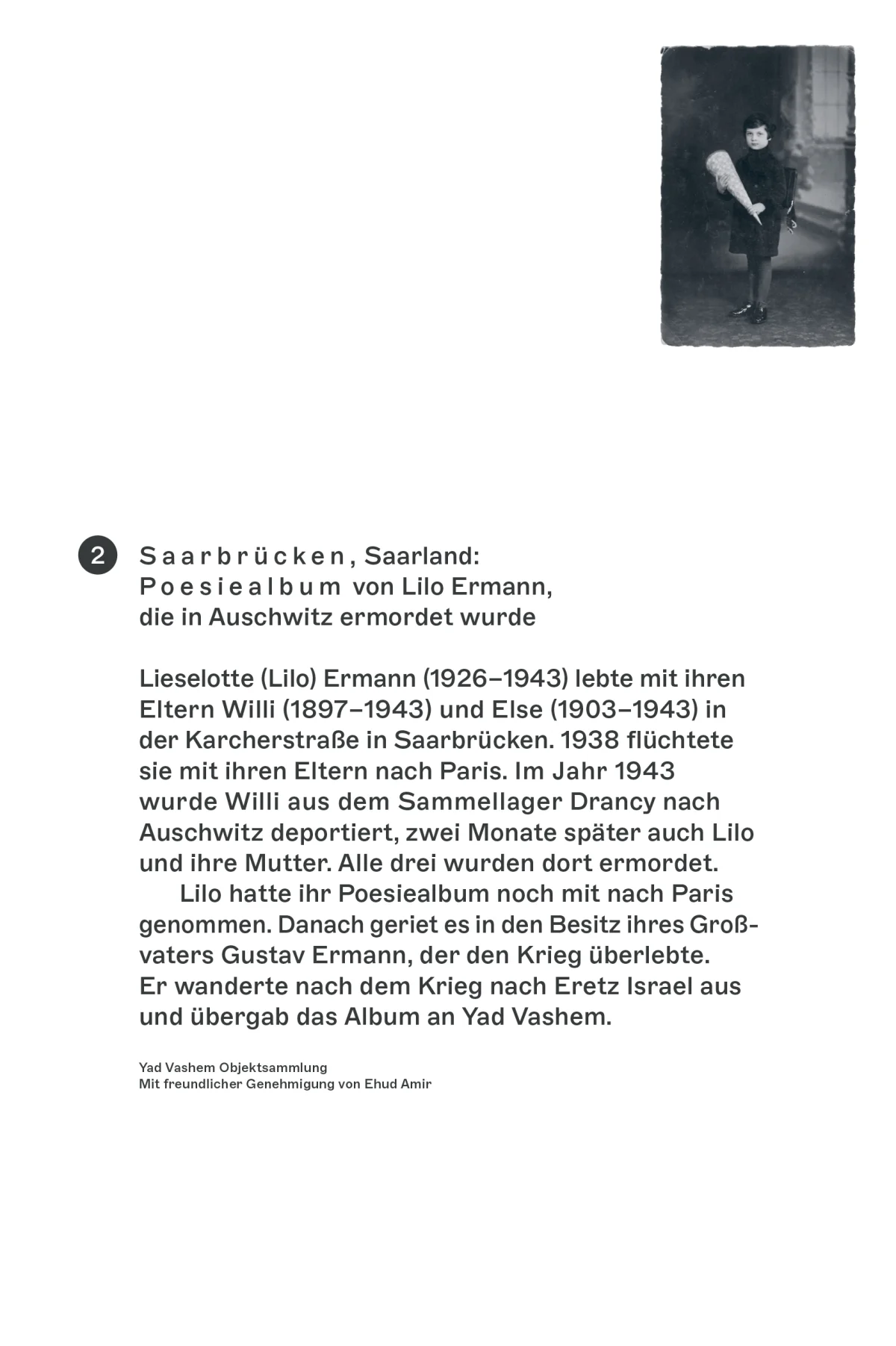
The exhibition translates thereby the composition of the historical photograph into space. Each historical object is placed in relation to a contemporary photograph of its place of origin. Object and site face one another, bringing an individual story into direct contact with the place in which it once unfolded.
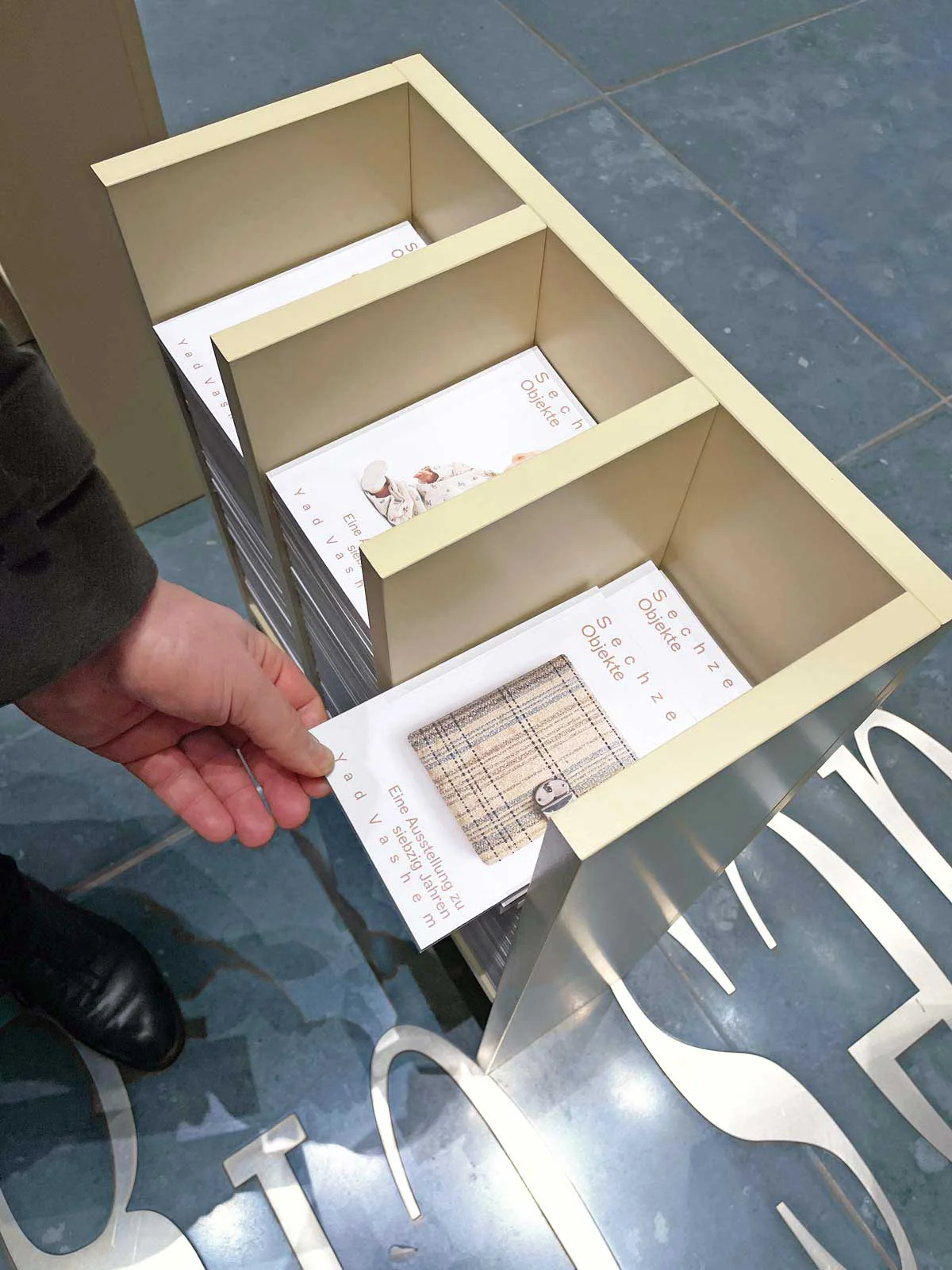
This relationship shapes the exhibition architecture and graphic system throughout. Rather than reconstructing the past, the exhibition brings its traces into the present.
Project documentation




Project
Related Projects
-
Von hier aus
-
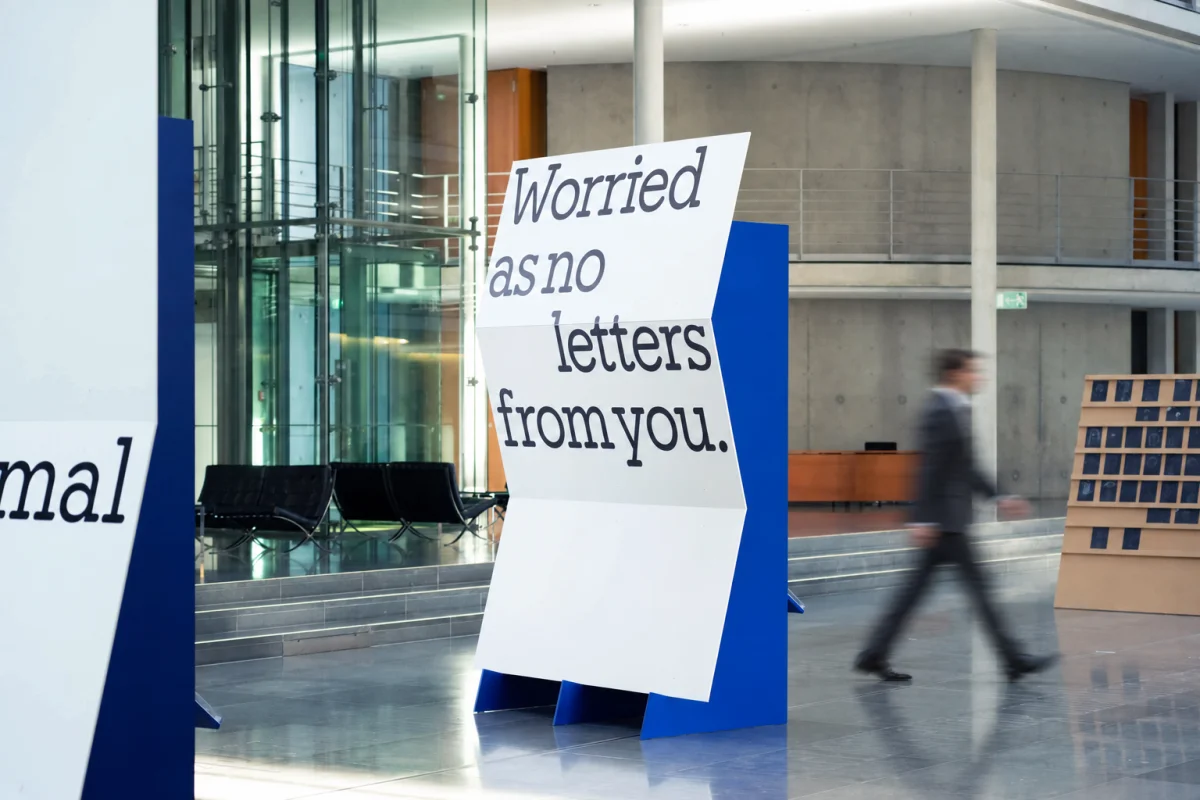
I said ‘Auf Wiedersehen’
-
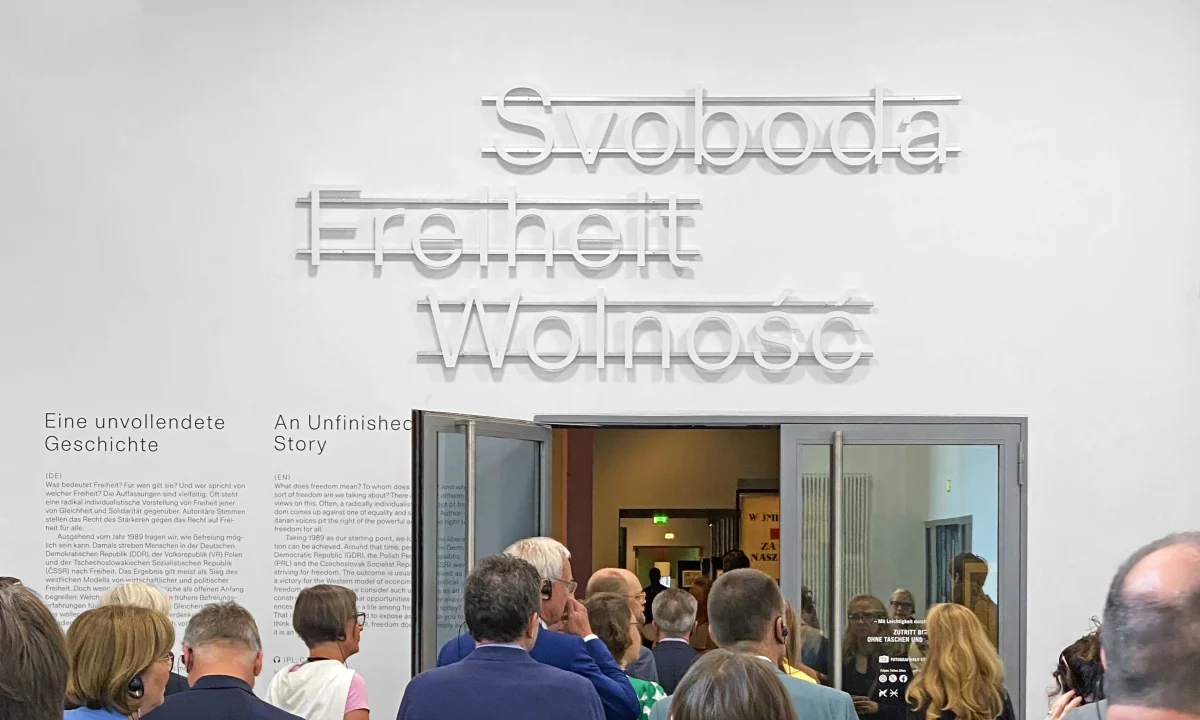
Freedom – An Unfinished Story